A clean apartment community sends a clear message before a resident, prospect, or vendor reaches the front door. This apartment exterior washing guide helps Atlanta property managers plan cleaning that improves curb appeal while protecting siding, roofs, walkways, concrete, and landscaped areas from unnecessary damage.
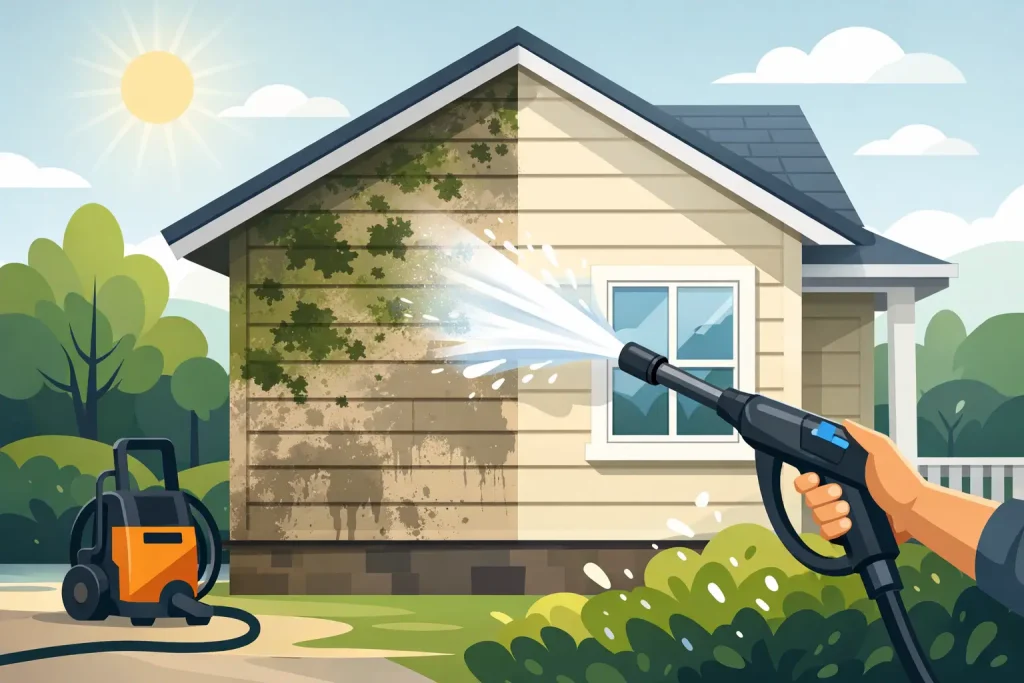
In metro Atlanta, humidity, pollen, tree cover, and frequent rain create ideal conditions for algae, mildew, grime, and dark staining. Left alone, that buildup can make a well-maintained property look neglected, create slippery walking areas, and shorten the usable life of certain exterior materials. The right cleaning plan is not about using the highest pressure possible. It is about matching the cleaning method to the surface and the condition of the property.
Why Apartment Exterior Washing Requires a Different Approach
Apartment communities have more moving parts than a single-family home. There may be multiple buildings, active parking areas, resident entrances, breezeways, balconies, leasing offices, playgrounds, dumpsters, and landscaped common areas. Cleaning has to be organized around resident safety and daily operations, not just appearance.
A rushed approach can lead to overspray on windows, disturbed landscaping, blocked access points, or cleaning solutions entering areas where they should not. Professional planning reduces those disruptions. It also helps management teams prioritize the places residents and prospective tenants see most often, including entryways, sidewalks, building fronts, mail areas, amenity spaces, and parking lot approaches.
For older properties, surface condition matters even more. Oxidized siding, aging paint, loose mortar, cracked concrete, and worn sealant require a careful evaluation before cleaning begins. A quality exterior washing service does not treat every stain or material the same way.
Start With a Property-Wide Exterior Assessment
Before scheduling service, walk the property and document visible issues by building and common area. Photos are useful for comparing results, communicating with ownership, and tracking recurring maintenance concerns. The goal is to identify both the immediate visual problems and the surfaces that may need special care.
Look for green or black algae on vinyl siding, painted surfaces, brick, retaining walls, and shaded walkways. Check for black streaking or organic growth on roofs. Notice oil spots near parking spaces and dumpster pads, rust stains near irrigation systems, gum around entrances, and dark traffic patterns on concrete.
Pay attention to drainage, too. Standing water near walkways or building foundations will continue feeding algae growth after cleaning. Exterior washing can restore the appearance of those areas, but drainage corrections may be necessary if the same stains return quickly.
Identify High-Priority Areas
The highest-priority locations are usually the ones with safety, resident experience, or leasing impact. Slick sidewalks and breezeways should be addressed promptly. Front elevations, leasing office entrances, pool decks, clubhouse approaches, and monument signs often deserve attention before tours, inspections, resident events, or seasonal leasing activity.
Parking garages, dumpster enclosures, loading areas, and rear building elevations may not be the first places a prospect sees, but they still affect property standards. A consistent cleaning schedule keeps grime from becoming a larger restoration project later.
Choose the Right Method for Each Surface
Pressure washing is a broad term, but professional exterior cleaning includes several methods. The safest choice depends on the material, the type of buildup, and the level of staining.
Soft washing uses low pressure and surface-appropriate cleaning solutions to remove organic growth from delicate surfaces. It is often the preferred method for vinyl siding, painted exteriors, stucco, and roofs because it cleans without the force that can drive water behind siding, remove paint, or damage shingles.
Concrete sidewalks, curbs, patios, and dumpster pads can generally handle more controlled pressure, especially when dirt, algae, tire marks, and oil stains are present. Even then, pressure and cleaning products must be selected carefully. Excessive pressure can leave visible lines, etch concrete, or expose aggregate in worn areas.
Brick and masonry are durable, but they are not automatically high-pressure surfaces. Older brick, weak mortar, and efflorescence need a measured approach. Wood fencing and decks also require lower pressure and proper technique to avoid splintering, gouging, or raising the grain.
Roof Cleaning Should Never Be an Afterthought
Dark roof streaks are common throughout the Atlanta area, especially on shaded buildings. They can make an entire apartment property appear older than it is. High-pressure roof cleaning can damage shingles, loosen granules, and create avoidable leaks, so a low-pressure roof washing process is the safer option for most shingle roofs.
Roof work also requires careful attention to landscaping, drainage, access, and resident safety. A qualified team should protect nearby plants, manage runoff responsibly, and keep people clear of the work area.
Plan Around Residents and Property Operations
Communication makes exterior washing easier for everyone. Residents should receive advance notice explaining the scheduled dates, work hours, affected buildings, parking instructions, and any requests to remove personal items from patios or balconies. Clear notices reduce complaints and prevent delays.
For larger communities, divide work into phases. Cleaning one building or section at a time makes it easier to maintain access, manage parked vehicles, and coordinate with maintenance staff. Early weekday scheduling often works well, but the best timing depends on the community’s traffic patterns, school schedules, amenity use, and vendor activity.
Weather matters in Atlanta. Light moisture may not stop all exterior cleaning, but heavy rain, lightning, or high winds can affect safety and results. Build some flexibility into the schedule, particularly during spring and summer storm seasons.
Protect Landscaping, Vehicles, and Nearby Surfaces
Exterior cleaning should improve the property without creating problems elsewhere. Before work begins, crews should inspect landscaping, cover or wet sensitive plants when appropriate, and rinse vegetation throughout the process. Surface-appropriate, eco-friendly cleaning solutions and proper dilution help control risk, but careful application and thorough rinsing remain essential.
Residents should move vehicles away from the work zone whenever possible. If that is not practical, the cleaning plan needs to account for parked cars, exterior outlets, window screens, outdoor furniture, security cameras, and other exposed items. Professional crews also protect electrical components and avoid forcing water into vents, door seals, and openings.
Gutters deserve attention as part of the larger maintenance picture. Clogged gutters can cause overflow, staining, foundation moisture concerns, and landscape washout. Cleaning them at the right time supports the results of building washing and helps keep exterior surfaces looking cleaner longer.
Set a Practical Cleaning Schedule
There is no single schedule that fits every apartment community. Buildings under heavy tree cover or along busy roads may need more frequent attention than open, newer properties. Most communities benefit from a recurring inspection and a planned cleaning program rather than waiting until staining becomes severe.
In general, common-area sidewalks, breezeways, entry pads, and high-traffic concrete may need service annually or more often when algae creates a slipping concern. Building washing is often planned every one to two years, depending on shade, moisture, siding type, and property standards. Roof washing should be based on visible growth and manufacturer-conscious cleaning methods, not an arbitrary calendar date.
Seasonal planning can help. Spring cleaning removes pollen and winter grime before leasing activity increases. Fall service can address summer algae growth and clear gutters before heavier rain and leaf buildup become a problem. The right cadence should be based on what the property actually needs.
What to Expect From a Professional Exterior Washing Team
A dependable provider should begin with a clear scope of work, including the buildings and surfaces to be cleaned, access requirements, scheduling expectations, and any known concerns. For apartment properties, licensing and insurance are especially important because the work involves shared spaces, multiple structures, and resident activity.
Ask how the company handles soft washing, roof cleaning, plant protection, runoff, and surface testing. The answer should be specific. A one-size-fits-all high-pressure approach is not a reliable strategy for a multifamily property.
Capital City Power Washing provides surface-appropriate exterior cleaning for Atlanta-area property owners and managers, with a focus on safe methods, detailed results, and dependable service. Whether the need is building washing, sidewalks, concrete, gutters, roofs, or common-area cleaning, the work should leave the property cleaner without compromising the materials that protect it.
Keep the Results Looking Better Between Visits
After washing, maintenance teams can extend results by addressing small issues early. Keep gutters clear, trim back vegetation that holds moisture against buildings, repair irrigation overspray, and report recurring leaks or drainage problems. Regular litter removal and spot treatment around dumpster areas also prevent heavy buildup from becoming a more difficult cleaning job.
A well-planned exterior cleaning program does more than brighten the property for a few days. It helps residents feel confident in where they live, gives prospects a stronger first impression, and supports the long-term condition of the surfaces your property depends on. Schedule cleaning before buildup becomes the first thing people notice.