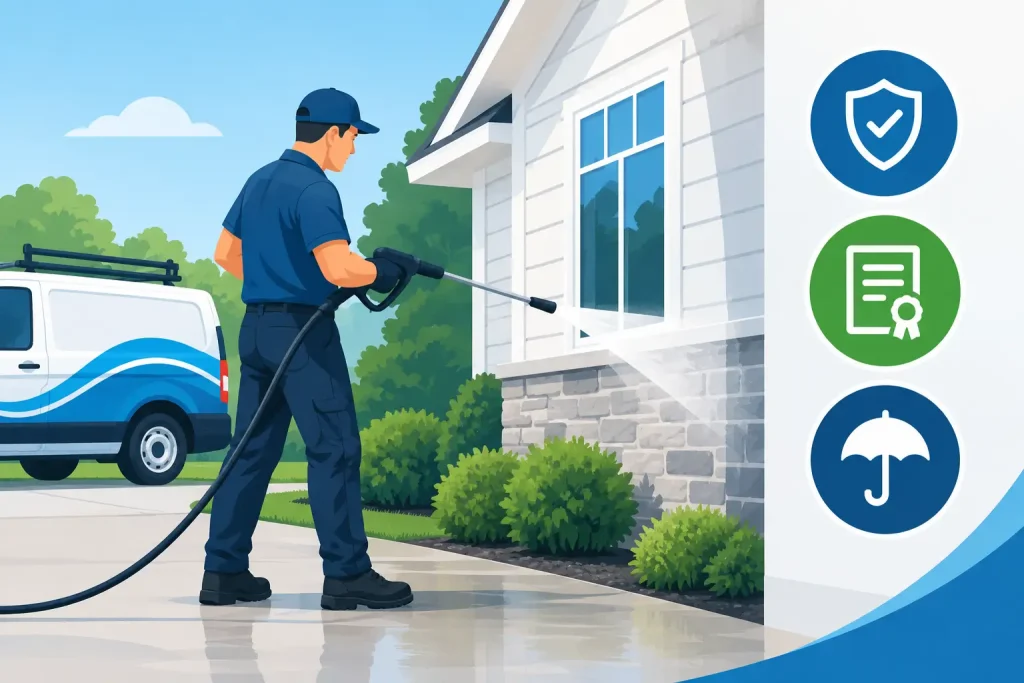
A black or green stain spreading across siding, concrete, or a roof can make an otherwise well-kept property look neglected fast. So, can power washing remove mold? It can remove visible growth from certain hard exterior surfaces, but pressure alone is not always the safest or most effective answer. The right cleaning method depends on the surface, the type of growth, and how deeply it has settled into the material.
For Atlanta homes and commercial properties, warm temperatures, humidity, shade, and frequent rain create ideal conditions for mold, mildew, and algae. A professional cleaning approach does more than improve appearances. It removes buildup carefully, helps slow its return, and protects the exterior materials that protect your property.
Can Power Washing Remove Mold Effectively?
Power washing can remove mold from durable surfaces such as concrete driveways, sidewalks, patios, and some masonry. On these materials, controlled pressure can break up and rinse away surface-level organic buildup, restoring a noticeably cleaner appearance.
However, visible removal is not always the same as fully treating the problem. Mold and mildew can leave behind spores or root into porous materials. If the surface is simply blasted with high pressure and no appropriate cleaning solution is used, staining and growth may return sooner than expected.
On more delicate surfaces, high pressure can create bigger problems than the mold itself. Vinyl siding, painted wood, stucco, composite decking, fencing, shingles, and gutters often require a low-pressure soft washing method. Soft washing combines surface-appropriate cleaning solutions with gentle rinsing to treat organic growth without forcing water behind siding, stripping paint, damaging seals, or loosening roofing materials.
Mold, Mildew, and Algae Can Look Similar
Property owners often use the word mold to describe any dark, green, or black exterior stain. In many cases, the growth may be mildew or algae rather than true mold. All three thrive where moisture and shade linger, and all can affect curb appeal.
Mildew commonly appears as a powdery gray, white, or light green film. Algae often leaves green streaks or a slippery coating on sidewalks, decks, and shaded siding. Mold may look darker and more patchy, especially around damp areas. A professional exterior cleaning team can assess the surface and select a treatment that addresses the growth without taking unnecessary risks with the material underneath.
The distinction matters because each surface reacts differently to cleaning. A concrete walkway can usually handle more pressure than a roof. A wood fence may need a gentler touch than a brick retaining wall. One-size-fits-all pressure washing may be fast, but it is not dependable property care.
When High Pressure Is the Right Choice
High-pressure washing is often useful when growth has collected on durable, non-delicate surfaces. Driveways, sidewalks, parking areas, patios, curbs, and some brick or stone surfaces can benefit from carefully adjusted pressure. Removing slippery algae from these areas can also improve footing for family members, visitors, customers, and tenants.
Even on concrete, technique matters. Too much pressure can leave wand marks, expose aggregate, or create uneven streaking that stands out after the surface dries. Professional equipment provides better control over pressure, flow, cleaning solutions, and rinsing than a typical rental machine. The result should be an evenly cleaned surface, not a patchwork of bright lines and damaged spots.
For commercial properties, clean walkways and entry areas also send a clear message. Customers and tenants notice stains, gum, mildew, and neglected concrete before they ever step through the front door. Regular cleaning supports a safer, more professional property presentation.
Why Soft Washing Is Better for Siding and Roofs
Siding and roofing are common places for mold-like staining to develop, especially on shaded sides of Atlanta-area properties. These surfaces should not automatically be cleaned with forceful pressure.
House Washing
A soft wash treatment is typically the safest way to remove mildew, algae, and organic stains from vinyl, painted siding, trim, soffits, and exterior walls. The cleaning solution does the primary work of breaking down growth. Low-pressure rinsing then carries it away without driving water behind the siding or damaging the finish.
This method provides the clean, refreshed look homeowners want while helping preserve paint, caulking, window seals, and other exterior details. It also reaches areas that a high-pressure stream may miss or damage, including around fixtures, vents, and trim.
Roof Washing
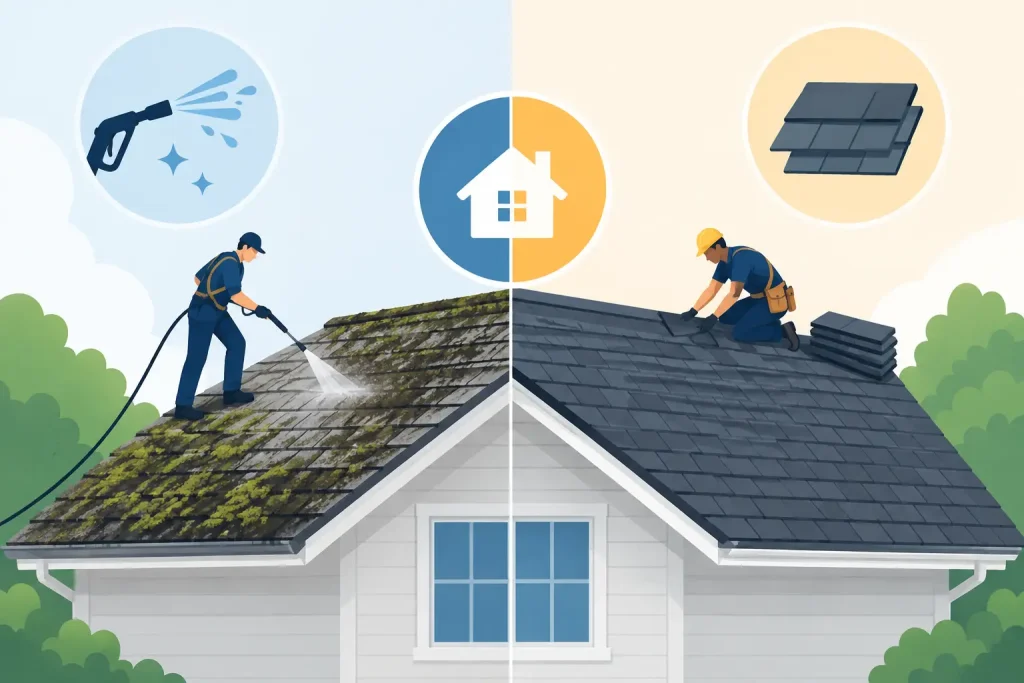
Black roof streaks are frequently algae, not dirt. Trying to remove them with standard high-pressure washing can loosen granules from asphalt shingles, shorten the roof’s service life, and potentially affect manufacturer warranty requirements. Low-pressure roof cleaning is the better choice for treating the growth while protecting the roof system.
A safe roof wash should be deliberate and surface-specific. It is not about making shingles endure more pressure. It is about applying the right treatment, allowing it to work, and rinsing or finishing the process according to the roofing material and site conditions.
Why Mold Comes Back After Cleaning
Exterior mold, mildew, and algae will return if the conditions that support growth remain in place. Cleaning is a major part of the solution, but maintenance habits can make the results last longer.
Shade, poor drainage, clogged gutters, overhanging branches, and moisture trapped against surfaces all encourage buildup. If downspouts discharge near a walkway or wall, repeated dampness can create an ideal growing area. If leaves collect in gutters, water can overflow onto fascia, siding, and landscaping.
You can help extend the life of a professional cleaning by trimming back vegetation that rests against the home, keeping gutters clear, correcting drainage concerns, and allowing shaded surfaces to dry when possible. Regular house washing, roof washing, and concrete cleaning also prevent heavy buildup from becoming a more difficult restoration job.
DIY Pressure Washing Risks to Consider
A homeowner-grade pressure washer can be useful for light cleaning, but mold removal is not always a simple weekend task. The most common mistake is using too much pressure too close to the surface. This can carve wood, etch concrete, strip paint, tear screens, damage window seals, and force moisture where it does not belong.
Cleaning solutions require care as well. The wrong product, overly strong concentration, or poor rinsing can harm plants, discolor finishes, or leave streaks. Ladders add another serious concern. Using a pressure washer while elevated can create dangerous kickback and unstable footing.
Professional service is especially worthwhile when growth is widespread, the affected area is high or hard to reach, or the surface is roofing, stucco, older paint, wood, or delicate siding. Licensed and insured professionals can match the method to the material and manage runoff, surrounding landscaping, and difficult access points with attention to detail.
A Safer Plan for Atlanta Property Owners
The best approach is to inspect the affected area before choosing a cleaning method. Consider where the staining is located, whether the material is porous or delicate, and whether water may be collecting nearby. A dark stain on a concrete sidewalk calls for a different plan than black streaking on shingles or green film on painted siding.
For most exterior mold concerns, professional soft washing and controlled pressure washing work best as part of a complete property-care plan. Capital City Power Washing uses advanced equipment and surface-appropriate methods to clean homes and commercial properties throughout Atlanta and surrounding counties without relying on unnecessary force.
If exterior growth is making your property look worn down, do not wait for it to spread across more surfaces. A careful evaluation and the right cleaning method can restore the clean appearance you want while helping protect the siding, roof, deck, driveway, or walkway you depend on every day.