A stained sidewalk or algae-covered entryway can make an otherwise well-managed community look neglected in a matter of weeks. In Atlanta’s heat, humidity, pollen, and frequent rain, exterior buildup is not just a curb appeal issue. This HOA common area cleaning guide helps boards and property managers create a practical maintenance plan that protects shared surfaces, supports resident satisfaction, and helps prevent avoidable safety concerns.
Start With the Areas Residents See and Use Most
Common-area cleaning works best when priorities are based on visibility, foot traffic, and surface condition. The front entrance, monument signage, sidewalks, mail areas, clubhouses, pool decks, parking areas, and community amenities all influence how residents and visitors view the association.
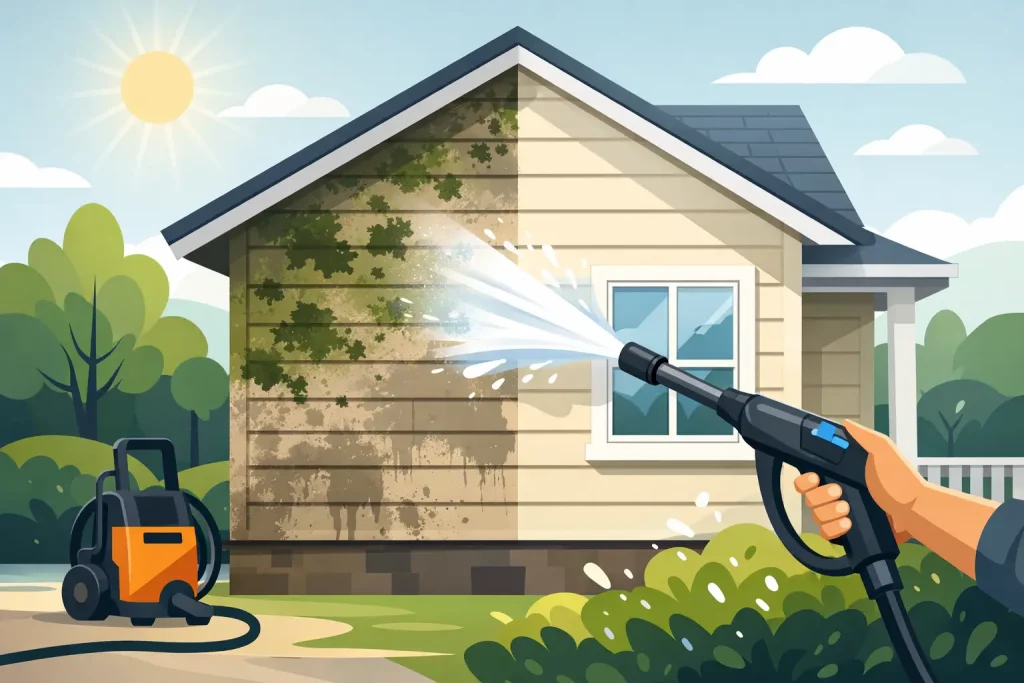
Start with a walkthrough of the property. Look beyond loose trash and obvious dirt. Green algae on concrete, black streaks on curbs, mildew on shaded walls, slippery walkways, oil spots near parking spaces, and pollen buildup on siding can all become larger maintenance issues if they are allowed to sit.
In many metro Atlanta communities, shaded north-facing surfaces need attention first. Moisture lingers there longer, creating the right conditions for algae and mildew growth. Areas near trees also collect pollen, leaves, sap, and organic debris more quickly than open spaces.
A useful inspection should cover these four categories:
- Entrances and sidewalks, including ramps, stairs, handrails, and curbs
- Community buildings, signs, fences, retaining walls, and mailbox stations
- Recreation areas, such as pool decks, patios, playground surroundings, and tennis or pickleball court walkways
- Parking lots, dumpster pads, drive lanes, and other high-traffic concrete surfaces
Document the condition of each area with photos and notes. This gives the board a clear basis for approving work, tracking recurring trouble spots, and showing residents that maintenance decisions are being made carefully.
HOA Common Area Cleaning Guide: Build a Realistic Schedule
There is no single cleaning schedule that works for every HOA. A smaller townhome community with limited landscaping may need less frequent service than a large neighborhood with a clubhouse, pool, sidewalks, and dense tree cover. The goal is to clean surfaces before stains become deeply embedded or create a slipping hazard.
For many communities, a quarterly visual inspection is a smart baseline. High-visibility sidewalks, entrances, and amenity areas may need cleaning once or twice a year, while heavily shaded concrete can require more frequent attention. Pool decks should be evaluated before opening season and periodically during the season, especially when wet weather has encouraged algae growth.
Annual service often makes sense for building exteriors, fences, monument signs, and community walls. However, annual cleaning may not be enough when a property has persistent mildew, large tree canopies, irrigation overspray, or high resident traffic. A professional assessment can help determine whether a seasonal plan is more cost-effective than waiting for surfaces to become heavily stained.
Gutter cleaning deserves a place in the schedule as well. Clogged gutters can contribute to water overflow, staining, foundation drainage issues, and premature wear around community buildings. In wooded Atlanta neighborhoods, fall leaf drop and spring debris can make twice-yearly gutter service the better choice.
Match the Cleaning Method to the Surface
One of the biggest mistakes in common-area maintenance is treating every exterior surface with the same pressure setting. High pressure can be effective on durable concrete when used correctly, but it can also damage wood, siding, painted surfaces, roof materials, and aging masonry if the approach is too aggressive.
Concrete sidewalks, curbs, and dumpster pads often benefit from professional pressure washing paired with the right cleaning solution for algae, dirt, gum, or oil. The objective is a consistently clean finish without striping, surface scarring, or runoff problems.
For vinyl siding, painted trim, stucco, and similar building exteriors, soft washing is usually the safer choice. This low-pressure method uses surface-appropriate solutions to break down organic growth and grime before a controlled rinse. It delivers a visible transformation without relying on excessive force.
Roof cleaning requires even more caution. Roof shingles should not be blasted with high pressure. A low-pressure roof cleaning process can remove black streaks, moss, and algae while helping preserve the roofing material. If the HOA is responsible for clubhouse roofs, gatehouse roofs, or other shared structures, surface protection should be part of every cleaning decision.
Decks and fences also require careful treatment. Wood can splinter, fuzz, or discolor when pressure is too high or when cleaning is performed without proper technique. A professional should adjust the method for the material, age, condition, and finish of the surface.
Address Safety, Access, and Resident Communication
Cleaning common areas has a direct effect on safety. Algae on sidewalks, stairways, and pool-adjacent concrete can become slick after rain. Oil stains in parking areas can make a property look poorly maintained and may create traction concerns. Regular cleaning helps reduce these risks while making the community easier to navigate and enjoy.
Before scheduling service, identify areas that may need temporary closure or traffic control. Pool decks, clubhouse entrances, parking lanes, and mail stations may be in constant use. Posting clear notices in advance gives residents time to plan around the work and helps the cleaning crew complete the job safely.
The notice should state the service date, expected work hours, affected locations, and any instructions for moving vehicles or avoiding a designated area. Keep the language direct and courteous. Residents do not need a long explanation, but they do appreciate knowing why an area is closed and when it will reopen.
Property managers should also consider water access, drainage, nearby landscaping, parked vehicles, and sensitive areas such as electrical equipment or pool furniture. A licensed and insured cleaning provider should review these details before beginning work. Proper preparation protects the property and avoids disruption.
Protect Landscaping and Local Waterways
A clean property should not come at the expense of landscaping or responsible water management. HOA boards should ask how a provider protects grass, shrubs, mulch beds, painted surfaces, and nearby storm drains during service.
Eco-friendly cleaning solutions and controlled application methods can be effective when used by trained professionals. Pre-wetting plants, managing runoff, using appropriate dilution, and thoroughly rinsing affected areas are all part of responsible exterior cleaning. The right process removes buildup while respecting the shared environment residents value.
Dumpster pads and parking areas may need special attention because grease, oil, and accumulated debris can move toward drains. These spaces should be evaluated for the type of staining present, not simply washed with water and high pressure. Effective cleaning begins with identifying the problem and selecting the right treatment.
Budget for Maintenance Instead of Emergency Cleanup
When cleaning is delayed for years, the final bill is often higher and the results may be more limited. Deeply embedded staining, heavy organic growth, and neglected surfaces take more labor, more treatment, and more time to address. Regular service helps spread costs across the year while maintaining a more consistent appearance.
For budget planning, group work into logical service phases. A spring visit may focus on entrances, sidewalks, clubhouse exteriors, and pool areas before peak resident use. A fall visit may address leaf-related gutter cleaning, fences, curbs, and concrete that has accumulated summer algae and pollen.
Ask for a clear quote that identifies the areas included, the cleaning methods proposed, and any limitations based on surface condition. The lowest quote is not always the best value if it overlooks safety, insurance, surface protection, or the time needed to do the work thoroughly.
Capital City Power Washing helps Atlanta-area HOA boards and property managers maintain shared exteriors with surface-appropriate pressure washing and soft washing methods. Reliable scheduling, careful preparation, and attention to detail make it easier to keep common areas looking cared for without adding unnecessary work to the board’s responsibilities.
Know When Cleaning Is Not the Only Fix
Pressure washing can dramatically improve a property’s appearance, but it cannot repair broken concrete, failing paint, rotted wood, damaged sealant, or drainage issues. During inspections, separate cleaning needs from repair needs. For example, a dark sidewalk may only need algae removal, while recurring staining in the same location could point to poor drainage or irrigation overspray.
This distinction helps the HOA spend wisely. Cleaning restores the surface and makes defects easier to see. Repairs address the underlying issue when the problem is structural or recurring.
A well-kept common area tells residents that the association is attentive, organized, and invested in the long-term condition of the community. Set a schedule that fits the property, choose methods that protect every surface, and address trouble spots before they become the first thing residents notice.